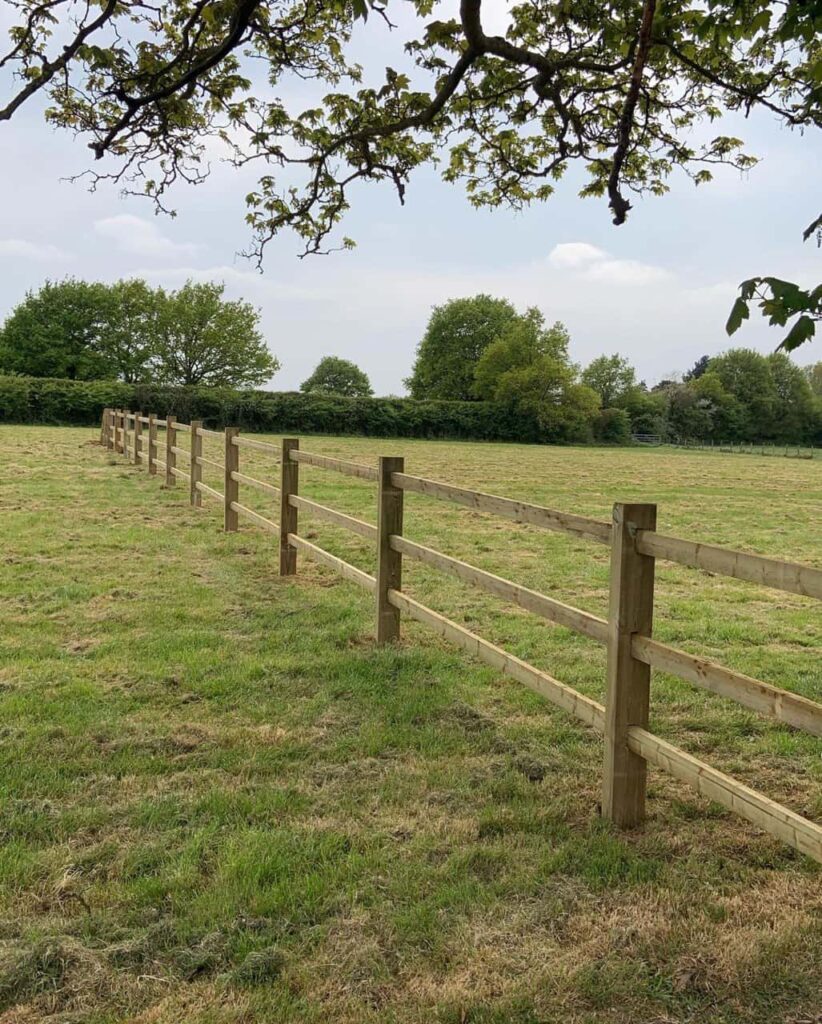
Leaning Fence Posts: Common Causes and How to Restore Fence Stability
A sturdy fence depends on more than the quality of its panels. Fence posts provide the essential support that keeps the structure upright, secure and properly aligned. When one or more posts begin to lean, the entire fence can become unstable, creating gaps, uneven panels and potential safety concerns.
Leaning fence posts are a common problem for property owners, particularly after periods of heavy rain, strong winds or prolonged exposure to damp conditions. For homeowners in Bury St Edmunds, Suffolk, understanding why posts move and how to restore their stability can help prevent further damage and extend the life of the fence.
1. Poor Post Installation
One of the most common reasons fence posts lean is inadequate installation. If a post has not been set deeply enough or its supporting foundation is insufficient, it may struggle to withstand pressure from the fence panels and surrounding weather conditions.
Posts that are not properly aligned during installation can also become more noticeably uneven over time. Weak or poorly compacted material around the base may allow movement, particularly when the fence is exposed to strong winds.
Restoring stability may involve removing the affected post, checking the condition of the surrounding ground and reinstalling it with suitable support. Simply pushing a leaning post upright without correcting the underlying problem is unlikely to provide a lasting result.
2. Waterlogged or Soft Ground
Heavy rainfall can soften the ground around fence posts, reducing the support available beneath the surface. If the soil becomes saturated, posts may gradually shift under the weight of the panels or pressure from the wind.
This is particularly noticeable where drainage is poor or water regularly collects along the fence line. Over time, repeated changes in ground moisture can cause posts to loosen and lose their original alignment.
The surrounding ground should be assessed before repairs begin. Depending on the condition, improving drainage and reinstating the post with an appropriate foundation may help restore stability.
3. Rotting Wooden Fence Posts
Timber fence posts can deteriorate when they remain exposed to moisture, particularly around ground level where water may collect. Rot can weaken the wood internally, making it less capable of supporting the fence.
Early signs include soft or discoloured timber, cracking, crumbling sections and movement around the base. In some cases, the post may look relatively sound above ground while significant decay has developed below the surface.
Where rot has affected the structural strength of the post, replacement is usually more appropriate than attempting to reinforce the damaged timber. Using suitable treated timber and ensuring correct installation can help reduce the risk of recurring deterioration.
4. Strong Winds and Pressure from Fence Panels
Fence panels act like broad surfaces that catch the wind. During strong gusts, considerable pressure can be transferred through the panels to the supporting posts.
If the posts are already loose or weakened, repeated wind pressure can cause them to lean or move further out of alignment. Larger or solid panels may be particularly exposed in open garden areas.
After periods of strong winds, inspect the fence for movement, loose fixings, damaged panels and posts that no longer sit vertically. Repairs may involve securing or replacing damaged panels as well as restoring the supporting posts.
5. Loose or Inadequate Post Foundations
Fence posts rely on a stable foundation to remain upright. If the material around the base has cracked, shifted or deteriorated, the post may gradually become loose.
This can happen when the original foundation was poorly constructed or when ground movement affects the surrounding soil. A post may also become unstable if water repeatedly enters gaps around its base.
A proper repair should address the foundation rather than only the visible angle of the post. Depending on the extent of the movement, the post may need to be reset or replaced with a more suitable support arrangement.
6. How to Restore Stability to Leaning Fence Posts
The correct repair depends on the cause and condition of the affected post. A professional fencing assessment should establish whether the post can be secured or whether replacement is necessary.
Common repair approaches include:
- Resetting the post: Removing the post, correcting its alignment and securing it in a properly prepared foundation.
- Replacing rotten timber: Installing a new treated post where decay has weakened the original structure.
- Reinforcing suitable posts: Adding appropriate support where the existing post remains structurally sound.
- Repairing damaged panels: Replacing broken sections and securing loose fixings to reduce unnecessary movement.
- Improving drainage: Addressing persistent water accumulation that may be weakening the ground around the fence.
It is important to check neighbouring posts as well. If several posts are leaning, the problem may affect a larger section of the fence rather than a single support.
7. Preventing Fence Posts from Leaning Again
Once a fence has been repaired, regular maintenance can help reduce the likelihood of further movement. Check posts periodically for signs of looseness, timber decay, cracking and changes in alignment.
Keep vegetation under control around the fence line and avoid allowing soil or garden waste to build up against wooden posts. Where water collects regularly, investigate the drainage rather than allowing the ground to remain saturated.
It is also worth checking panels and fixings after severe weather. Addressing small defects early can help prevent additional pressure being placed on the supporting posts.
Conclusion
Leaning fence posts can result from poor installation, soft ground, timber rot, strong winds or weakened foundations. Identifying the underlying cause is essential because simply straightening a post may not resolve the problem permanently.
If your fence is leaning, loose or showing signs of structural deterioration, Fast Fix Fencing Bury St Edmunds can help assess the damage and recommend suitable repairs or replacement. Get in touch to discuss your fencing requirements in Bury St Edmunds, Suffolk.
Call us on: 01284 339 596
Click here to find out more about Fast Fix Fencing Bury St Edmunds
Click here to complete our contact form and see how we can help with your fencing needs.